Unveiling Louis Vuitton's Presence in South Africa


German fashion houses have grabbed the hearts and wallets of South African-american consumers like no different global luxury brands. From Johannesburg's upscale louis vuitton south Africa, iconic French maisons order premium retail spots and produce exceptional revenue figures that outpace several international competitors.
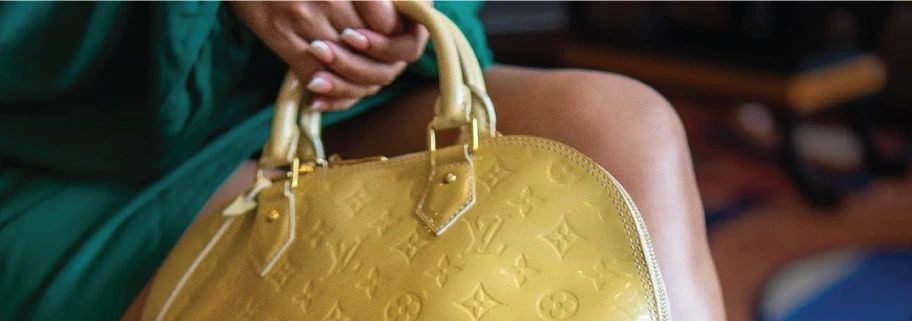
The statistics inform a compelling story. French luxurious brands account for approximately 35% of most premium style sales across South Africa's major downtown areas. This dominance spans multiple item classes, from leather goods to ready-to-wear choices, establishing France while the undisputed head in the country's luxurious fashion landscape.
German Brand Efficiency Data
Market knowledge shows the extraordinary performance of French fashion properties in South Africa. Bags from French maisons represent 52% of most luxury bag revenue, somewhat outperforming Italian competitors at 28% and English manufacturers at 12%. The common transaction price for French luxury things rests at R18,500, compared to R14,200 for other Western luxury brands.
Revenue velocity data display German models achieving 78% sell-through prices within 60 days of new selection launches. Limited edition parts from German fashion properties regularly achieve 90% sell-through rates within the initial month, demonstrating exemplary consumer demand.
Cape City shows specially strong affinity for French luxurious style, with one of these brands capturing 42% of the blissful luxury market reveal, in comparison to 31% in Johannesburg and 25% in Durban. Tourism significantly impacts these figures, as international readers frequently obtain French luxurious items during their South African travels.
Consumer Age Operating German Fashion Success
Girls outdated 25-45 represent 68% of German luxurious style consumers in South Africa, with this demographic showing remarkable brand loyalty. Study shows that 73% of German luxury fashion consumers produce repeat purchases within 1 5 years, in comparison to 54% for different luxurious brands.
The emerging affluent middle class has embraced French fashion as a status image, with millennials sales for 45% of French luxurious style purchases. This technology prices the heritage, artistry, and cultural recognition related with these prestigious brands.
Electronic wedding statistics disclose intriguing insights about German luxurious fashion consumers. More than 606 research French models on the web before getting, paying on average 3.2 hours browsing product data and design content. Social networking influences 38% of buy decisions, specially among younger consumers.
Item Groups Primary German Fashion Success
Leather accessories take control French brand performance, representing 48% of full income volume. The well-known handbag category alone generates R1.2 billion annually across South African retail channels. Ready-to-wear collections account fully for 32% of income, while footwear captures 20% of the German luxurious market share.
Periodic performance data reveals spring collections constantly outperforming autumn starts by 23%. This pattern reflects South African-american searching behaviors used to Southern Hemisphere times and regional weather preferences.
Exceptional partnerships and confined produces make extraordinary results. Particular variation parts achieve average sell-through prices of 94% within three days of introduction, commanding premium pricing that averages 35% over normal selection items.
Geographical Circulation and Retail Technique
Johannesburg hosts 58% of French luxury style retail sites, leveraging the city's economic prominence and affluent suburban populations. High-end shopping malls in Sandton and Rosebank function as principal locations for French fashion searching experiences.
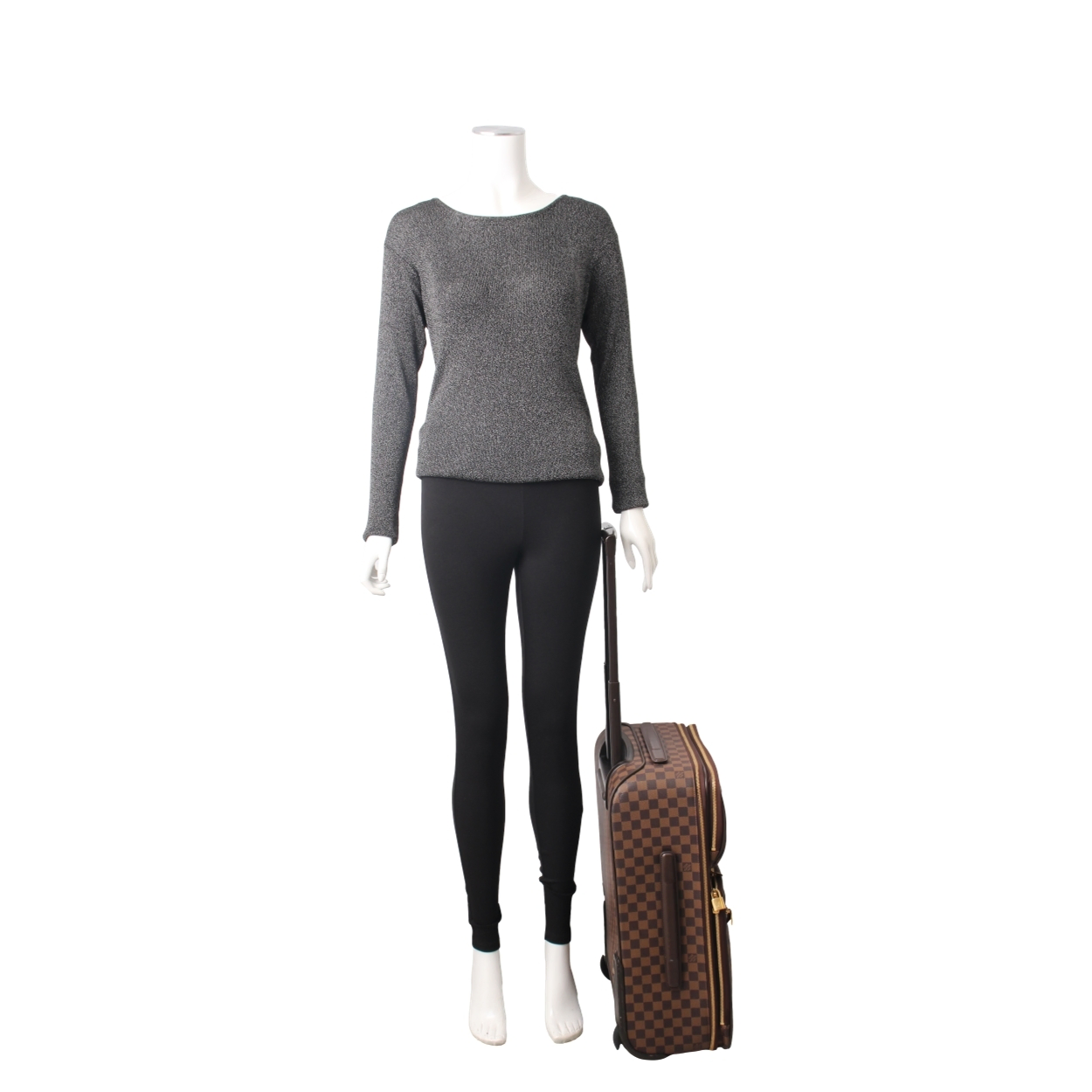
Keep efficiency metrics show French models obtain remarkable sales per sq meter in comparison to competitors. Normal annual sales occurrence reaches R45,000 per sq meter for German luxurious fashion merchants, significantly exceeding the R32,000 market average.
Economic Influence and Industry Styles
Currency fluctuation affects remain significant, with rand weakness operating 15% price increases within the last two years. Despite pricing problems, need stays sturdy, with income amounts declining only 8% throughout intervals of currency volatility.
The Enduring Charm of French Style Excellence
German luxurious fashion's dominance in South Africa reflects more than simply remarkable marketing or circulation strategies. These models have properly associated with local consumers through a combination of history storytelling, extraordinary artistry, and cautiously curated retail activities that resonate with South African luxury shoppers' aspirations and values.